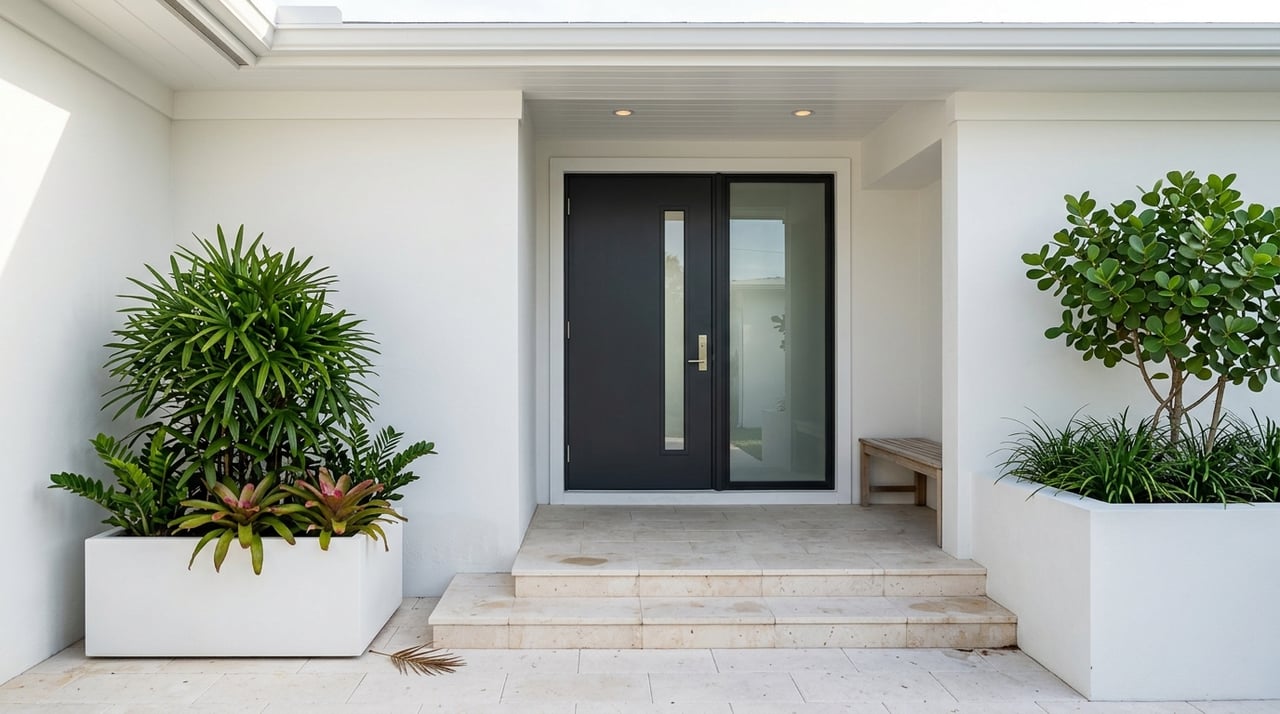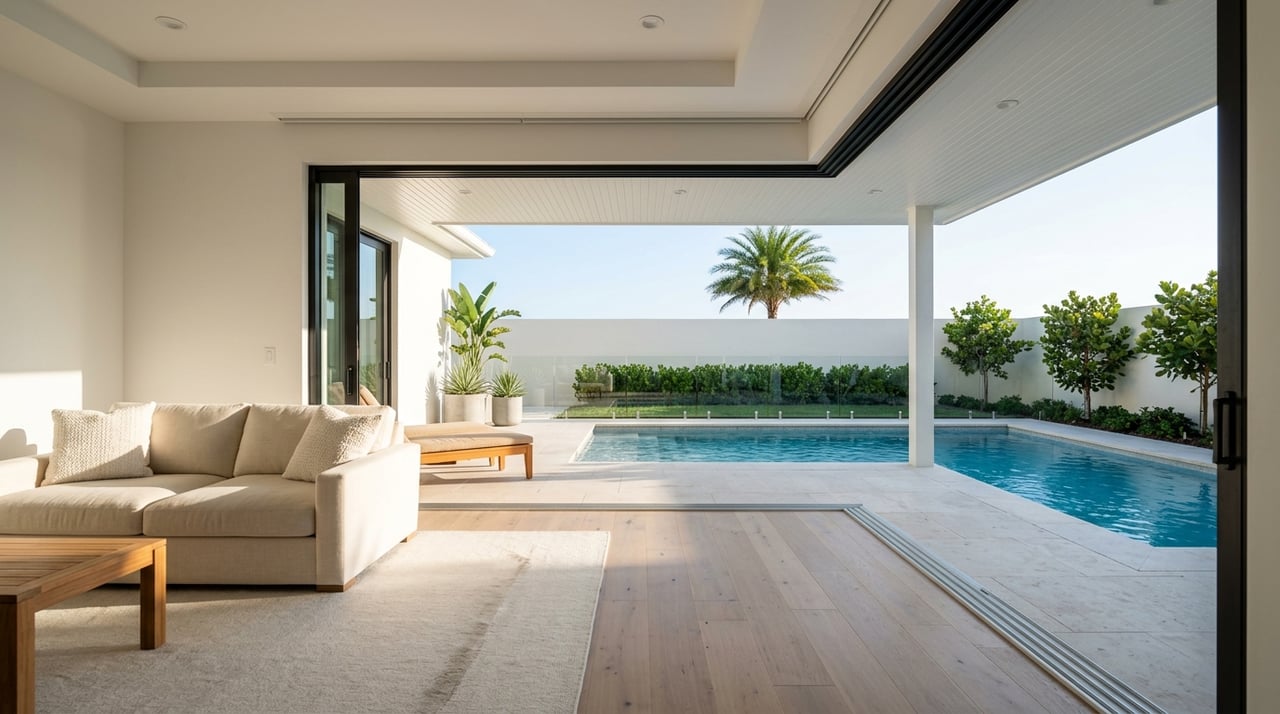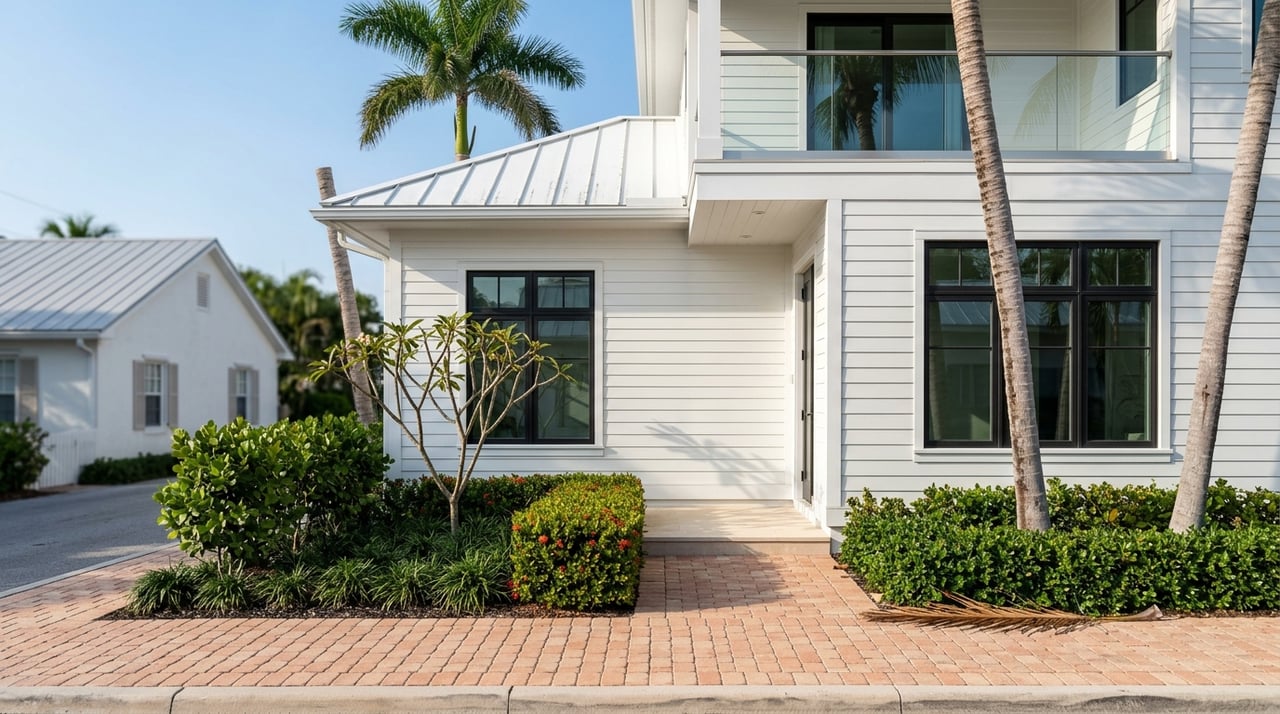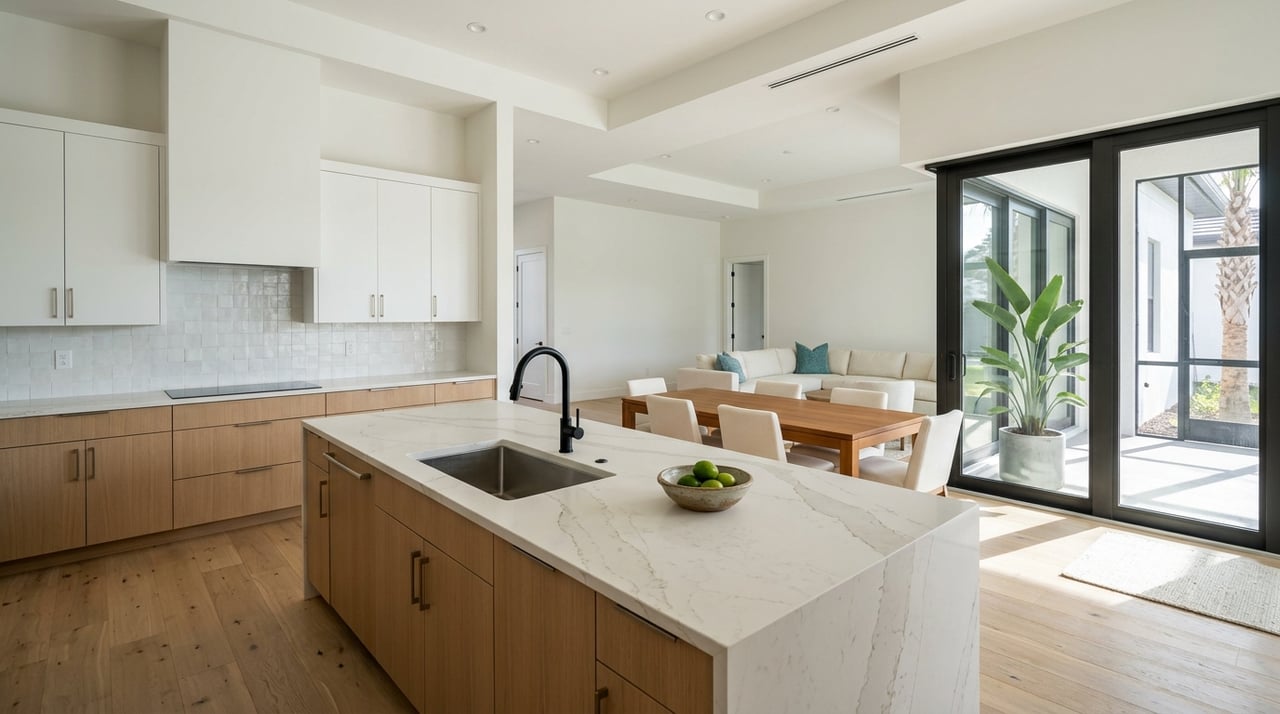
If you are deciding between building new or buying a resale home in The Estuary at Grey Oaks, the real question is not just style. It is time, access, cost, and how much uncertainty you want to take on before you can enjoy the property. In a community where club lifestyle, lot position, and home scale can vary meaningfully from one address to the next, a clear side-by-side comparison can save you time and expensive surprises. Let’s dive in.
Why this decision matters in Estuary
The Estuary at Grey Oaks is part of Grey Oaks Country Club in Naples 34105, a private club community known for its broad lifestyle offering. Official community materials highlight three championship golf courses, a 30,000-square-foot wellness center, three dining venues, two clubhouses, and racquet and social amenities.
For many buyers, that means your purchase decision is about more than the house itself. You are also choosing how quickly you want to step into the club experience, how much project management you want to handle, and how important customization is to your long-term plan.
What the current housing mix looks like
One reason this decision can feel complicated is that Estuary includes more than one type of luxury home. Current public listing examples show both smaller detached-villa style homes and much larger estate properties.
That range matters because a resale option may give you access to a very different footprint, lot size, or view than what you would create through a custom build. It also means pricing can move significantly based on renovation level, homesite orientation, and overall scale.
Current resale examples show the spread
Public portal data currently shows only a small number of Estuary listings, though the exact count varies by feed. In one current set of examples, a 3-bedroom, 3-bath home at 1327 Noble Heron Way offers 3,669 square feet on a 0.24-acre lot and is listed at $3.45 million.
At the upper end, a pending estate at 1397 Great Egret Trail is listed at $7.899 million with 6,890 square feet on a 0.75-acre lot. Another current listing at 1249 Gordon River Trail is priced at $11.8 million with 7,356 square feet on a 0.64-acre lot.
Custom homes can reach a larger scale
Builder examples reinforce how large and tailored a new home in Estuary can become. Harwick Homes reported a completed estate with 7,937 square feet under air and 11,121 total square feet, while Lutgert completed a nearly 6,700-square-foot model overlooking the seventh hole.
If your priority is designing around a very specific layout, finish standard, or architectural vision, that flexibility can be compelling. Still, scale alone does not answer whether building is the better path for you.
Why resale often has the edge
For many buyers, resale is the more straightforward option in The Estuary at Grey Oaks. You can evaluate the home, lot, setting, and recurring costs much earlier in the process.
That clarity matters in a high-value purchase. Instead of estimating what a finished home might feel like, you can walk the property, assess the view, and understand how the home functions day to day.
You can see the lot and view now
With a resale purchase, you are not choosing from plans and assumptions. You can judge the streetscape, privacy, interior flow, outdoor living areas, and golf or landscape orientation in real time.
In a community where lot size and view orientation affect value, that immediate visibility can reduce risk. You know more about what you are buying before you close.
Club access may be faster
For golf-focused buyers, this is one of the biggest reasons to look closely at resale. Current Estuary listings advertise immediate or full Grey Oaks golf membership availability, which can make an existing home especially attractive if you want to begin using the club right away.
By contrast, a custom build adds a waiting period before move-in. Even if the long-term result is exactly what you want, you may spend a meaningful amount of time carrying the project before enjoying the lifestyle that drew you to Estuary in the first place.
Known conditions can simplify decisions
A resale home also gives you a defined starting point for any improvements. If you plan to update finishes or rework certain spaces, you can make those decisions with the actual structure in front of you rather than trying to predict every detail during a ground-up design process.
That can be especially valuable if you want a property you can enjoy sooner while improving it over time. For buyers who appreciate project guidance, this middle ground can offer both control and practicality.
Why building still appeals to some buyers
Building a custom home in Estuary offers a level of personalization that resale usually cannot match. If your goal is to shape architecture, floor plan, materials, and outdoor living from the beginning, custom construction gives you that opportunity.
For some buyers, that level of control is worth the extra time and moving parts. It can be the right path when you have a very clear vision and are comfortable with a longer runway to completion.
You control design and finish level
A custom build lets you align the home with your priorities from day one. That can include room layout, entertaining spaces, office needs, wellness features, storage planning, and the relationship between indoor and outdoor areas.
This path can be especially attractive if you want to create a long-term legacy property rather than make compromises around an existing floor plan. In that case, the added complexity may feel justified.
New construction brings more steps
That said, building in Estuary is not just about hiring a builder and starting work. Community materials reference a Design Review Committee, access-control systems, and separate club versus POA responsibilities.
In practical terms, that means your exterior plans and site work should be reviewed against neighborhood requirements in addition to county permitting. The process can be rewarding, but it is more involved than buying an existing home.
The timeline difference is real
Time is one of the biggest dividing lines between these two options. A resale can often move on a normal purchase timeline, while a build introduces planning, approvals, financing draws, and construction milestones.
If your goal is to be in Naples for an upcoming season or to begin using club amenities as soon as possible, that timing difference can shape your decision quickly.
Construction financing adds complexity
Construction lending usually works differently from a standard purchase loan. The research report notes that construction loans are typically short-term, funded in advances as work progresses, and may begin requiring payments within 6 to 24 months after the loan is made.
Construction-to-permanent structures commonly have a construction phase of 12 months or less, and construction-only loans are often interest-only until completion. Even so, the financing process can still add administrative work and carrying cost compared with a resale purchase.
Carrying costs begin before move-in
With a build, your timeline to full enjoyment is longer. You may be paying for financing, design work, approvals, and other ownership-related costs before you can actually live in the home.
That does not automatically make building the wrong choice. It simply means the true cost of waiting should be part of the decision, especially in a luxury club setting where lifestyle access is part of the value.
Fees deserve close address-level review
In Estuary, fees are too important to treat as a neighborhood-wide generality. The research report shows parcel-specific examples that differ from one property to another.
That is why buyers should verify the exact membership and fee structure for the specific address they are considering. The neighborhood name alone does not tell the whole story.
Example fee structures vary
One current fee sheet attached to 1249 Gordon River Trail shows a one-time mandatory club fee of $130,000, an annual mandatory club fee of $17,060, a quarterly master HOA of $3,345, and an annual HOA of $516. That totals $30,956 in annual recurring fees, based on the listing information.
Another Estuary listing at 1580 Marsh Wren Lane shows a $125,000 one-time mandatory club fee and $38,399 in annual recurring fees. These examples are not a substitute for property-specific verification, but they show how important due diligence is before you commit.
Tax treatment can differ too
For owner-occupants in Collier County, the tax path may look different for a resale versus a newly built home. According to the Collier County Property Appraiser, new homestead applications must be filed in person before March 1, and the property must be your permanent residence as of January 1.
Once homesteaded, Florida’s Save Our Homes cap limits assessment increases to 3% or CPI, whichever is lower. In practice, that means a resale with an existing homestead history may have a different near-term tax path than a new build that has not yet qualified.
So which path is better for you?
If you value speed, clearer cost visibility, and the chance to use the club sooner, resale is usually the lower-friction path in The Estuary at Grey Oaks. You can evaluate the finished product, confirm the fee structure for that address, and move forward with fewer unknowns.
If you want full design control and are comfortable with approvals, financing draws, and a longer carry period, building may be the better fit. The right answer depends on whether your priority is immediate lifestyle access or a fully tailored long-term result.
For many buyers in Estuary, the smartest first step is not choosing a side too early. It is comparing the best resale opportunities against the true timeline, fee structure, and project scope of a custom build before making a commitment.
If you want a discreet, informed comparison of resale opportunities versus a custom-build strategy in Estuary, McCumber Group can help you evaluate the tradeoffs with clarity and confidence.
FAQs
Should you buy a resale home in The Estuary at Grey Oaks if you want golf access sooner?
- A resale may be the stronger option because some current Estuary listings advertise immediate or full Grey Oaks golf membership availability.
What makes building in The Estuary at Grey Oaks more complex than buying resale?
- A custom build can involve community review through the Design Review Committee, separate club and POA considerations, construction financing draws, and a longer timeline before move-in.
How much do fees vary in The Estuary at Grey Oaks?
- Current listing examples show meaningful differences by address, including one-time mandatory club fees and annual recurring fees, so you should verify the exact structure for the specific property.
Can property taxes differ between a resale and a new build in Collier County?
- Yes. A resale with homestead history may have a different near-term tax path than a new build that has not yet qualified for homestead treatment under Collier County rules.
Are homes in The Estuary at Grey Oaks all the same size and price range?
- No. Current examples show a wide range, from smaller detached-villa style homes to large estate properties, with pricing influenced by lot size, orientation, and renovation level.